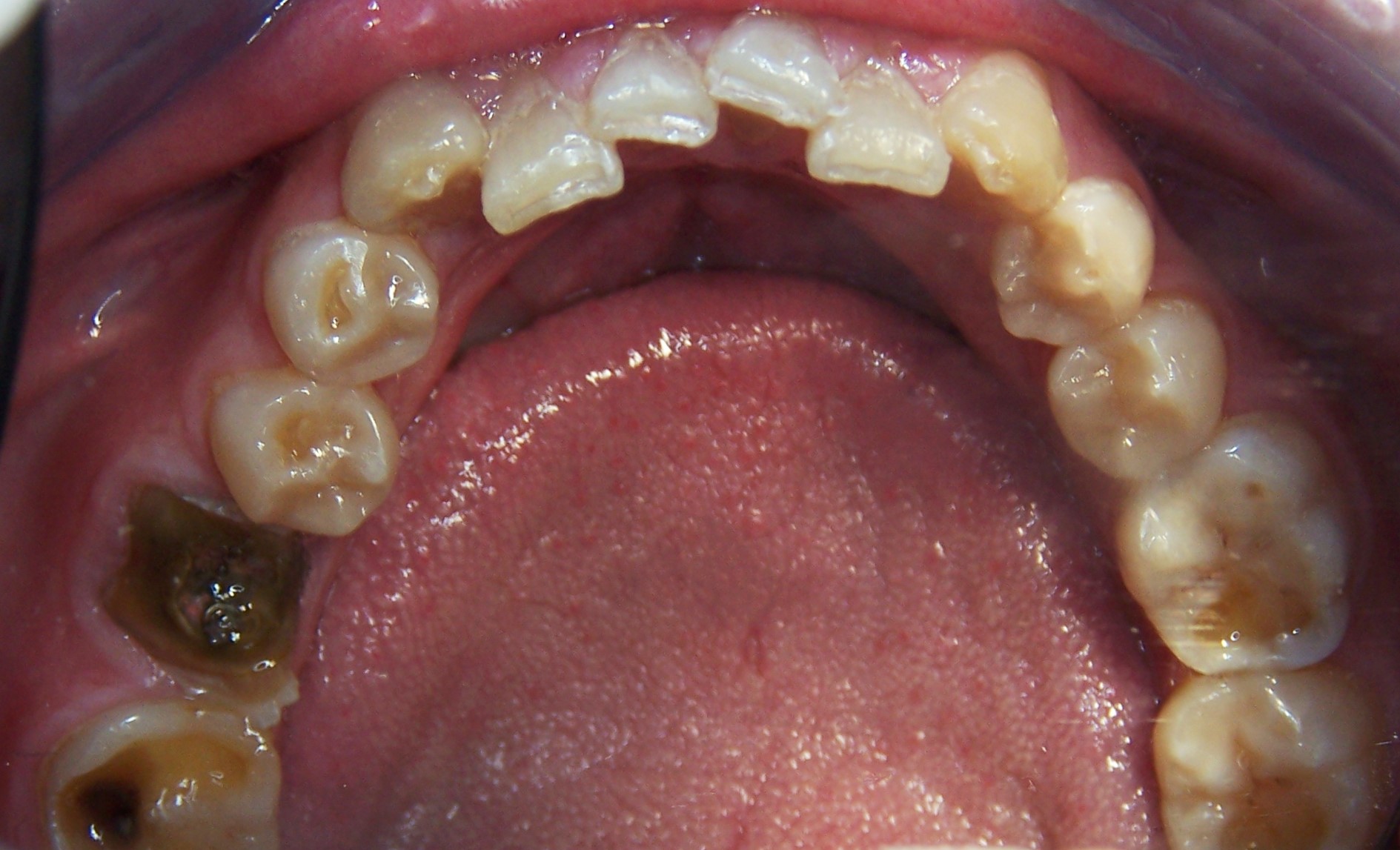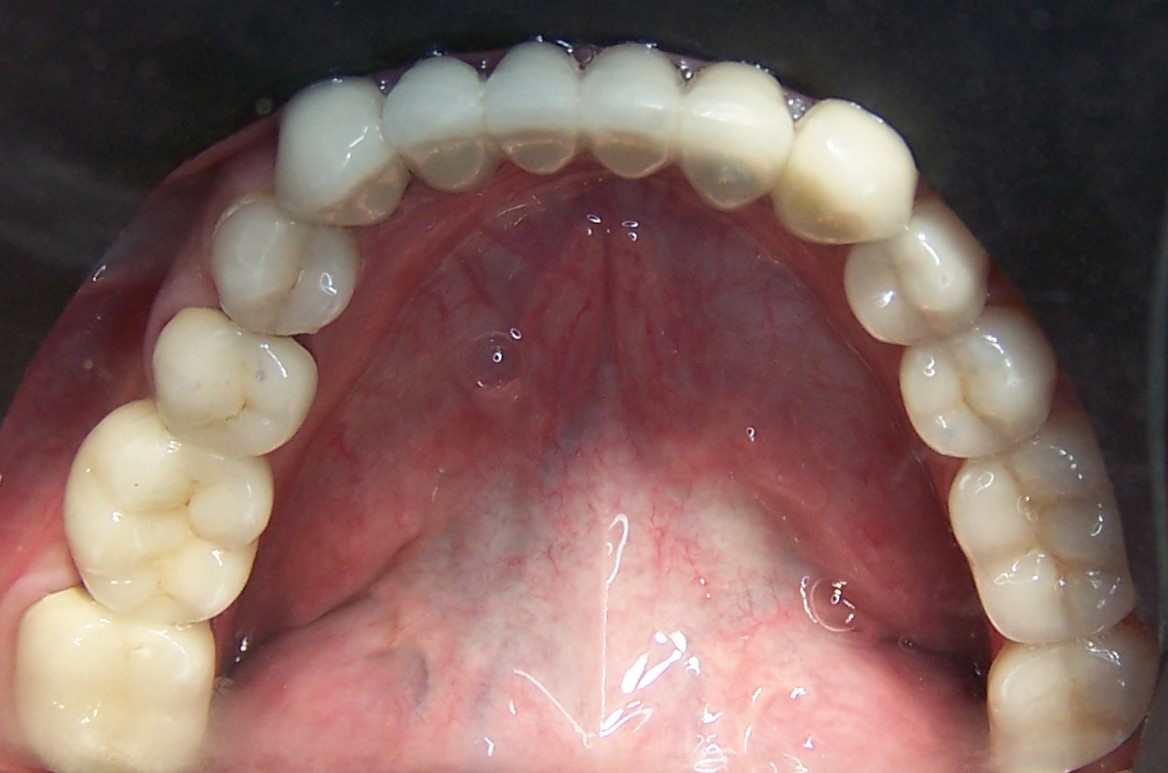
Treating infection to preserve your tooth
Root canal treatment and restoration planned to relieve pain, eliminate infection and retain your natural tooth whenever possible.
Root canal treatment, sometimes described as «removing the nerve», treats the inside of a tooth when its pulp is inflamed, damaged or infected. It involves cleaning and disinfecting the root canals, sealing them and restoring the tooth afterwards.
The aim is to remove the cause of pain or infection and keep the tooth in the mouth. Whether it can be saved depends on remaining healthy structure, root condition and surrounding tissues.
When might it be needed?
- Severe, spontaneous or throbbing pain.
- Lingering sensitivity to cold or heat.
- Deep decay close to or extending into the pulp.
- Infection, abscess or dental swelling.
- Tooth fracture or injury.
- Tooth discolouration after a blow.
- A lesion visible on a radiograph, even without pain.
- Symptoms returning in a previously root-treated tooth.
Toothache does not always mean root canal treatment is needed. Its cause must first be identified through examination and diagnostic tests.
What does treatment involve?
- Diagnosis. Examination, radiographs and sensitivity or vitality tests assess the pulp and tissues around the root.
- Local anaesthesia. We numb the area to make treatment as comfortable as possible.
- Isolation. A rubber dam separates the tooth from saliva, providing a clean, safe working field.
- Access and location. We make a small opening in the tooth and locate the root canals.
- Cleaning and disinfection. We remove affected tissue, clean and shape canals with specialist instruments and disinfecting solutions.
- Sealing. We fill the canals with biocompatible materials to reduce reinfection risk.
- Restoration. We close and restore the tooth to regain strength, function and protection.
- Review. Clinical and radiographic follow-up is carried out when indicated.
Restoring the tooth after root canal treatment
A root-treated tooth may be weakened by decay, fracture or earlier structural loss. Subsequent restoration is therefore essential, rather than merely cosmetic.
Direct restoration
Composite can be used when sufficient tooth structure remains and anticipated forces allow it.
Inlay or onlay
A custom-made partial restoration protects weakened areas while preserving more tooth tissue than a full crown in suitable cases.
Crown
May be recommended when the tooth is extensively damaged or needs broader protection against chewing forces.
Fibre post
Used only when needed to retain the restoration because little coronal structure remains. A post does not strengthen the root by itself, and suitability must be carefully assessed.
Root canal retreatment
A treated tooth may develop pain or a lesion around its root again. Causes include untreated canals, leakage, new decay, fracture or other problems.
If the tooth is restorable, repeating treatment may be indicated to remove the previous material, reclean and reseal the canals. Otherwise, alternatives are considered.
After treatment
- Biting sensitivity may last a few days.
- Avoid chewing hard foods on the tooth until the recommended restoration is completed.
- Follow medication and professional instructions.
- Seek advice for increasing severe pain, swelling or fever.
- Reviews help assess the tooth and restoration’s progress.
Technology and precision
Depending on the case, treatment may use digital radiography, electronic apex locators, mechanised instruments, irrigation systems and magnification.
These tools support the professional, but do not remove anatomical complexity or guarantee every treatment outcome.
Clinical cases